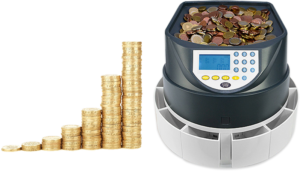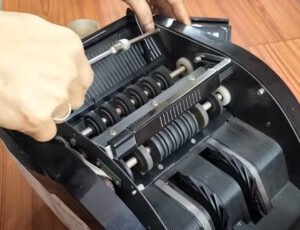
硬币清分机是现金办公室里少数仅凭一个数字就被评判的机器之一。供应商报出高达百分之九十几的准确率,采购方把这些数字写进采购订单,然后机器到货,开始在一袋混杂的25美分、5美分硬币和一把从自动售货机路线上回收来的硬币面前卡住不动。
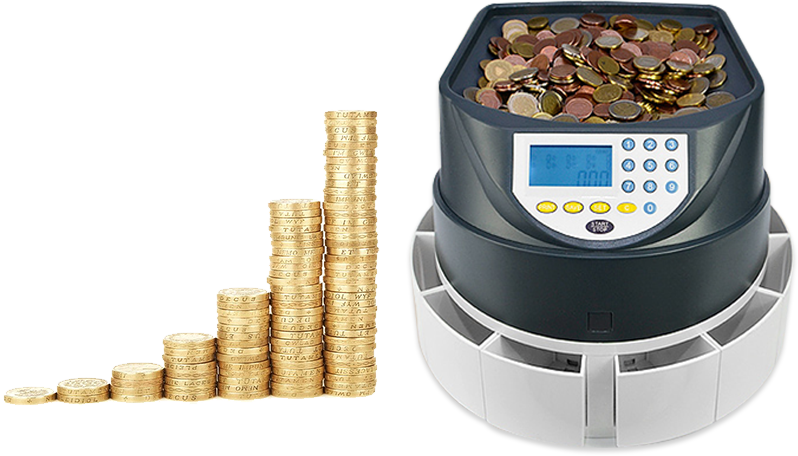
准确率数字并不是谎言。它是在一种在机器安装所在的那个房间里很少存在的条件下测得的。理解硬币清分机为什么会数错,主要就是理解机器在物理上能区分什么,以及真实的一批硬币在哪里超出了这些界限。
三种不同的故障都被叫作“数错”
在诊断任何问题之前,先区分操作员说机器出错时所指的三件事。
第一种是计数错误:机器说1,000枚硬币,而袋子里只有998枚。这在正常工作的机器上很罕见,通常可追溯到机械问题,比如一枚硬币叠在另一枚硬币上一起通过了计数传感器。
第二种是面额错误:机器数出的硬币数量正确,但把其中一些归错了面额,因此即使枚数正确,总金额也是错的。这是多面额环境中最常见的投诉,而且几乎总是识别问题而不是计数问题。
第三种是机械停机。机器停下,显示屏显示错误,操作员就以为计数错了。通常计数是没问题的,机器只是正确地拒绝处理它无法识别的东西。把停机与数错混为一谈,会让操作员不再信任一台正在做它本就该做的事的机器。
硬币机器如何识别它看到的东西
几乎每一台硬币清分机和分拣机都按同样的顺序使用同样的三种物理属性。
直径排在第一位。硬币沿着导轨或穿过通道行进,通道的尺寸只允许一枚硬币通过,而硬币的直径决定了它相对于计数传感器所处的位置。在分拣机上,导轨是阶梯式的:随着通道变宽,硬币会从它最先能落入的开口掉下去。直径是最便宜、最快的判别依据,这就是它承担了大部分分拣工作的原因。
厚度排在第二位,在硬币经过参考间隙时测量。厚度可区分直径相同但高度不同的硬币,也能捕捉到两枚硬币同时通过的情况。
合金排在第三位,现代机器正是靠这一项体现其价值。振荡电磁场在硬币中感应出涡流,而硬币的响应取决于其金属成分以及电流穿透的深度。镀铜锌分币和实心铜分币会给出可测量的不同响应。钢制假币、黄铜垫圈和真正的25美分硬币也是如此。正是这一通道把真硬币与做得同样大小的东西区分开来。
光学传感是更好机器上的第四通道,主要用于确认判断而不是做出判断。摄像头可以读取硬币的表面图案,但对付脏污、划伤或锈蚀的硬币就很吃力,这就是为什么光学确认排在直径和合金之后,而不是之前。
机器所依据的尺寸
各面额之间的余量比大多数操作员想象的要小,把它们并排列出来看一看是值得的。
| 面值 | 直径 | 重量 | 成分 |
|---|---|---|---|
| 分币(便士),1982年及以后 | 19.05毫米 | 2.500 g | 镀铜锌 |
| 1982年之前的1美分 | 19.05毫米 | 3.11克 | 95%铜 |
| 5美分(镍币) | 21.21 mm | 5.000 g | 75%铜,25%镍 |
| 10美分(一角硬币) | 17.91 mm | 2.268 g | 铜镍包覆 |
| 四分之一美元 | 24.26 mm | 5.670 g | 铜镍包覆 |
| 半美元 | 30.61毫米 | 11.340克 | 铜镍包覆 |
| 一美元硬币 | 26.49毫米 | 8.100克 | 锰黄铜 |
来源:美国铸币局硬币规格及《美国法典》第31编第5112节。
美国以外的运作遵循相同原理,但数字不同。 八种欧元面额 在直径、厚度、重量、颜色和合金上各不相同:1欧元和2欧元硬币为双金属币,而10、20和50欧分硬币采用黄铜合金铸造,其涡流响应与铜镍币明显不同。清点欧元的机器需要针对八种面额分别设置参数,而一台为美元设置的机器无论怎样调整灵敏度都无法正确清点欧元。
同时看前两行。一分硬币和一角硬币的直径相差 1.14 毫米,重量相差 0.232 克。这些余量很窄,也解释了每一台硬币计数机都会出现的一个设计决定:机器对小面额硬币并不只依赖重量。对于一枚 2.5 克的硬币,几百分之一克的公差属于正常磨损、污垢和镀层变化的范围,因此直径起主要作用,合金成分则用来确认。
现在看一分硬币那几行。1982 年以前的铜质一分硬币重 3.11 克;1982 年以后的锌质一分硬币重 2.500 克。直径相同,肉眼看来颜色相同,质量却相差 24%,电磁特征也完全不同。为现代一分硬币校准的机器会把铜质一分硬币视为异常。有些机器会将其拒收,有些会把它计为一分硬币但标记重量,还有些机器如果校准宽松,会把它归入最接近的匹配项,从而得出错误的金额。
在实际批次中公差失效的地方
四类硬币造成了大部分麻烦,而这四类在商业现金中都很常见,并不罕见。
1982 年以前的铜质一分硬币 在美国仍有大量流通。任何处理不同年份一分硬币的运营方都会遇到它们,而任何仅按新一分硬币校准的机器都会产生拒收或重量标记。解决办法是采用同时接受两种成分的面额配置,这是一个固件设置,而不是硬件升级。买家应在购买前询问该配置是否存在,而不是事后才发现。
外国硬币 是边境地区、旅游区和交通枢纽中停机的最主要来源。加拿大一分硬币直径为 19.05 毫米,重 2.35 克,与美国一分硬币足够接近,仅凭直径无法区分。合金感应通常可以区分,这也是采用涡流检测而非仅按直径分选的依据。如果机器无法区分它们,正确的结果是拒收,而不是猜测。欧元区从另一个方向处理同样的问题:硬币在成员国之间自由流通,而 欧元硬币类型范围 包括外观不同但规格相同的纪念币和国家版本,因此不能把外观用作区分渠道。
损坏和变形的硬币 包括弯曲的硬币、边缘卷曲的硬币、被机器压坏的硬币以及被打孔的硬币。弯曲的硬币会改变其有效直径,并可能卡住轨道;带孔的硬币会改变其涡流响应。两者都应落入拒收杯,而一台不断尝试处理它们的机器最终会损坏自己的传输机构。
非硬币物体 是运营方低估的一类:垫圈、代币、游戏币、纽扣电池、螺丝。直径合适的黄铜垫圈会通过直径测试,但无法通过合金测试。钢制垫圈在廉价机器上可能同时通过直径和厚度测试,只在合金测试上失败。这就是具有两个感应通道的计数机与具有三四个感应通道的计数机之间的实际差别。
批次停机不是错误
许多“计数错误”的报告其实是批次预设按预期工作。操作员设置了 50 或 100 枚硬币的批次,以便按固定数量装袋,却忘记了该设置,然后把停机理解为故障。
料斗空停机也是如此,在大多数机器上,这会暂停计数而不是结束计数。显示的数字是到目前为止的计数,而不是该批次的计数。培训员工分别读取批次指示器和总数,可以消除相当一部分支持电话。
诊断真正的错误
一旦排除批次停机和异物,其余原因就归入一个小集合。下表将症状映射到可能的原因和首先检查的事项。
| 现象 | 可能原因 | 首先检查 |
|---|---|---|
| 计数始终少少量 | 硬币成对穿过传感器,或磨损的出币门释放延迟 | 用已知的 500 枚硬币袋运行三次;如果短缺重复出现,请检查出币门和计数传感器窗口 |
| 计数正确,金额错误 | 面额配置不匹配,通常是小额面额混淆 | 在金额明细中检查哪个面额被多计或少计,然后验证该面额对的配置 |
| 每几百枚硬币后停止 | 异物硬币、弯曲硬币或轨道中的碎屑 | 清空拒收杯,并在灯光下检查轨道是否有硬币碎片 |
| 反复拒收特定类型的硬币 | 该材质的公差设置过严,例如铜分币 | 测试五枚该类型的已知硬币;如果全部被拒收,则需要放宽配置 |
| 一个班次内金额总计漂移 | 合金传感器上有灰尘,或传感电路发生热漂移 | 清洁传感器窗口,让机器稳定,然后重新运行参考袋 |
| 硬币在料斗处卡住 | 装填超过料斗容量,或混合直径的硬币进料过快 | Reduce the load to the rated hopper capacity and feed in smaller batches |
Two of those rows are worth expanding. Sensor dust is cumulative and invisible: a film of coin dust on an optical or eddy-current window shifts readings gradually, so the machine does not fail suddenly, it drifts. Operations that clean the sensing area at a fixed interval in coins processed, rather than when someone remembers, report far fewer value discrepancies.
Thermal drift works the same way. A machine moved from a cold delivery bay into a warm cash office can read consistently low for the first hour while its sensing circuit stabilises. The fix is to let the machine sit at room temperature before the first reconciliation, not to recalibrate it immediately.
What the accuracy claim should mean
An accuracy figure is only meaningful alongside the test conditions: coin mix, condition, speed and number of passes. A supplier quoting 99.9 percent on new coins at reduced speed is telling the truth about a scenario that will not occur in a supermarket cash office.
The practical response is to test on arrival, with your own coins. Build a reference batch of 5,000 to 10,000 coins with a known composition, including the awkward items: copper cents, a few foreign coins, a bent coin, a washer. Run it three times at the speed you intend to use, and record the count, the value and the reject count each time. A machine that reproduces the same result three times is a machine whose behaviour you can plan around, even if the number is not perfect.
Then repeat the test at the end of the first month, after the machine has processed production volume. The difference between the first run and the second tells you more about build quality than any datasheet.
Where machine class changes the answer
Counted coin does not stay in the building. In the United States it moves from the retailer to a depository institution and then, in many cases, through coin terminals operated by armored carriers on behalf of the Federal Reserve Banks. That chain is why bag integrity and bag weight matter as much as the count on the display: a bag that reconciles to a piece count but arrives light by a few coins creates a discrepancy that follows the deposit all the way back to the cash office that filled it.
Not every coin operation needs the same machine. A retail back office counting a few thousand coins a day needs a counter with reliable diameter and alloy sensing, a reject cup and a batch preset. A bank branch or a cash-in-transit depot that sorts mixed denominations into separate outputs needs a sorter, with one output per denomination and a reject path for everything else.
Dongbo builds both types. The DB380, for example, counts at up to 330 coins per minute with a hopper rated for 300 to 500 pieces and an RS232 port for a thermal printer, which is the configuration most retail and branch operations settle on. Higher-volume sorting work is covered by the DB350 series, and the full range is listed on the products page.
What matters across all of them is the same: the number of sensing channels, whether denomination profiles can be edited on site, and whether the reject path is genuinely separate from the counted output. Those three answers determine whether the machine will still be accurate in year three, when the coin mix has drifted and the novelty coins have arrived.
Questions buyers ask before signing
Does the machine need to be calibrated for each currency? Yes. Diameter, thickness and alloy profiles are currency-specific, and a machine set up for one currency will not count another correctly without a profile for it.
Can it handle mixed denominations in one pass? Only if it is a sorter with separate outputs, or a counter with value-counting software and reliable denomination discrimination. A basic counter will total pieces, not value.
Why does it reject coins that look fine? Usually because the coin is outside the profile on one channel: wrong alloy, wrong weight, or a defect that is not visible. The reject is the correct behaviour, and the question to ask is which channel triggered it.
How often should the sensing area be cleaned? In most commercial settings, at an interval measured in coins processed rather than calendar time. A busy site may need it weekly; a quiet one monthly. The manual gives a figure, and the real interval is usually shorter.
Is a counter or a sorter the better buy? If the output is a single bag of mixed coins going to a bank, a counter is enough. If the output is separate denomination bags that must reconcile individually, a sorter pays for itself in labour within the first year.
What does the reject rate tell me? A rising reject rate on a stable coin mix is the earliest warning of sensor contamination or transport wear. Track it weekly and it becomes a maintenance trigger rather than a mystery.